I decided to look up the relative aggregate search popularity of the terms "Somali","War" and "Terror" in Kenya.
Here is the Graphic
Showing posts with label Garissa. Show all posts
Showing posts with label Garissa. Show all posts
Saturday, April 5, 2014


Friday, May 18, 2012
NAIROBI STAR:Amref Launches a 5-year Health Project in GSA
By Stephen Astariko
Amref has launched a five-year health project in Iftin sub district hospital in Garissa district. Officially launching the programme yesterday, country director Lennie Kyomuhangi said, "People living in semi-arid lands are bedevilled by a life characterised by social and gender inequalities within a hierarchical clan system. "There is an unequal labor force, early marriages, polygamy, female genital cutting and stigmatization of people living with HIV,97 of the inhabitants of the northern Arid lands like Turkana, Samburu,Gabbra, Rendile, Somali, Orma and Pokomo live beyond the poverty line. "As an organisation this are some of the things we want to tackle," she added.
The director said her organization was prompted to act in response to the health and economic needs of the vulnerable groups and through the support of the American people, the APHIAplus IMARISHA project she said will be initiated in the counties of Turkana, Samburu, Isiolo, Marsabit, Garissa, Wajir, Mandera and Tana River in partnership with the government.
The programme, is working closely with the GOK line ministries to provide HIV, TB, Family Planning, Reproductive Health, Maternal Newborn and Child Health, Nutrition, Water, Sanitation, and Hygiene as well as household economic strengthening services for these vulnerable and underserved populations. Present during the launch were representatives from GOK, USAID and consortium partners. AMREF, in partnership with the Ministry of Health also offered free medical treatment for area residents.
Wednesday, March 7, 2012
Friday, November 11, 2011
The Cost of War; Trade Slump in Garissa
It's neither the Politicians nor the Generals that pay the price for war. It's rather the citizenry that is already suffocated by inflation and scarcity.
And I'm not saying this to vindicate my stand on the occupation of Somalia by Kenya's Army.
Friday, September 23, 2011
Garissa-Mandera Highway: Why I Don't Believe in that Anymore
I will admit to being a jaded skeptic when it comes to government led development in North Eastern. But one need not be a seasoned cynic to shrug at the mere mention of a Garissa-Mandera Highway. No politicians comes to NEP without mentioning it. No local power hungry tribalist crank runs for office without invoking it.
Yet, despite all the lip service, this project has never gotten off the ground. This's why I'm not impressed this time round when Yusuf Haji drapes himself in "Saudi Labianism" and talks about the shovel readiness of this infrastructure project.
I remember, as a sixth grader less than a decade ago, following politicians on the campaign trail and hearing all the great things they promised to do for the residents of NEP. They talked about this highway, about building leather factories, irrigation schemes. They talked about building better schools and mobile clinics.
It's not just that they haven't done any of those things. The more important thing is that our own politicians have not fought for this highway and more bizarrely have continued to campaign for the same people who've lied to us for two generations now.
Its like we have a natural affinity for disappointment. The more our corrupt political elites piss on us, the more subservient we get.
I am sorry to have disappointed you Mr. illiterate Minister. I just don't believe in you and its getting painful seeing an old ass like you pay homage to this deadbeat project.
Yet, despite all the lip service, this project has never gotten off the ground. This's why I'm not impressed this time round when Yusuf Haji drapes himself in "Saudi Labianism" and talks about the shovel readiness of this infrastructure project.
I remember, as a sixth grader less than a decade ago, following politicians on the campaign trail and hearing all the great things they promised to do for the residents of NEP. They talked about this highway, about building leather factories, irrigation schemes. They talked about building better schools and mobile clinics.
It's not just that they haven't done any of those things. The more important thing is that our own politicians have not fought for this highway and more bizarrely have continued to campaign for the same people who've lied to us for two generations now.
Its like we have a natural affinity for disappointment. The more our corrupt political elites piss on us, the more subservient we get.
I am sorry to have disappointed you Mr. illiterate Minister. I just don't believe in you and its getting painful seeing an old ass like you pay homage to this deadbeat project.
The Standard: Saudi Arabia Loans Kenya Sh 1.6 Billion for Garissa--Mandera HIghway
Saudi Arabia loans Kenya sh1.6b for road construction
Updated 20 hr(s) 13 min(s) ago
Related Stories
 More effort needed to end modern day slavery
Think twice before taking that personal loan
Kenyan in Saudi Arabia calls home, claims torture
Mariga makes loan switch to Sociedad.
 Garissa maternal shelter
Officer dies, three injured in an explosion in Mandera
By Athman Amran
The Saudi Government has approved an over Sh1.6 billion loan to Kenya for the construction of the 146km Nuno-Modagashe road that will run between Garissa and Mandera towns.
Saudi Ambassador to Kenya Ghorm Said Malhan said the Saudi government is also set to give Kenya another Sh1.2 billion to fund five power projects. Adding that the money would be sourced from the Saudi Fund for Development.
The ambassador was speaking during the marking of the 80th anniversary of the Unification of the Kingdom of Saudi Arabia at a Nairobi hotel on Thursday evening.
The total construction of the Nuno-Modagashe road is estimated at Sh8 billion with a total of Sh5.36 billion to be procured from loans from the Saudi Fund, the Kuwait Fund, the OPEC fund and the Abu-Dhabi Fund.
The first phase of the project was expected to begin in Garissa last year.
Malhan said most of Saudi assistance to Kenya is directed towards development of infrastructure, water, irrigation and agriculture. He said the power projects will be done in five different locations in the country.
"Delegations from the Saudi Fund for Development visited Nairobi twice this year to upraise rural projects in Kenya," Malhan said.
The ambassador also said that the Saudi Government contributed 200 tonnes of assorted food and another 200 tonnes of dates to assist Kenyans affected by famine.
Defence minister Yusuf Haji said Kenya will continue to have good relations with Saudi Arabia, which he said is host to over 20,000 Kenyan workers, including both professionals and domestic workers among others.
"The Kenyan workers in Saudi Arabia remit about Sh1 billion annually to Kenya," Haji said.
Thursday, September 1, 2011
Prominent Somali Kenyans
Omar Shurie Hassan… was a revered colonial sultan of the Abdallaa in Ijara who refused to join secessionists for a Greater Somalia State ahead of independence and who paid the price for his stand by being assassinated in 1963.
Bashir Jama… is an international civil servant currently working as director of the soil and health programmes at the Alliance of Green Revolution in Africa, founded by former UN Secretary General Kofi Annan.
Hubi Hussein al-Haji… is the chief executive officer of Woman Kind, a leading women’s rights Non-Governmental Organisation among pastoralists.
Ibrahim Mohamed… is the chief executive officer of National AIDS/STD Control and Prevention.
Ahmed Isaac Hassan… is the chairman of the Interim Independent Electoral Commission.
Ibrahim Ali… is a commissioner at the Commission on the Implementation of the Constitution.
Mohamed Mowlid Shuriye… is the chief executive officer of Northern Water Board Service.
Mohamed Adow… is the Africa correspondent for the Al Jazeera television English service.
Abdulrazak Ali… the engineer is the Permanent Secretary at the Ministry of Transport.
Fata Mohamud Mohamed… is a commissioner at the National Cohesion Commission.
Musa Bulham… is a prominent businessman who owns Blue Bird Aviation.
Nathif Jamaa… is the chief executive officer of the First Community Bank.
Abbas Gullet… is the secretary of Kenya Red Cross Society.
Mahboub Maalim… is the chief executive of Inter governmental Agency on Development (IGAD).
Thursday, June 16, 2011
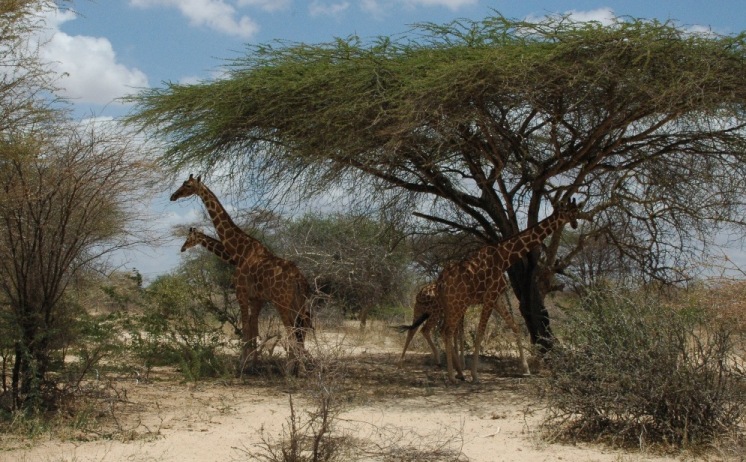
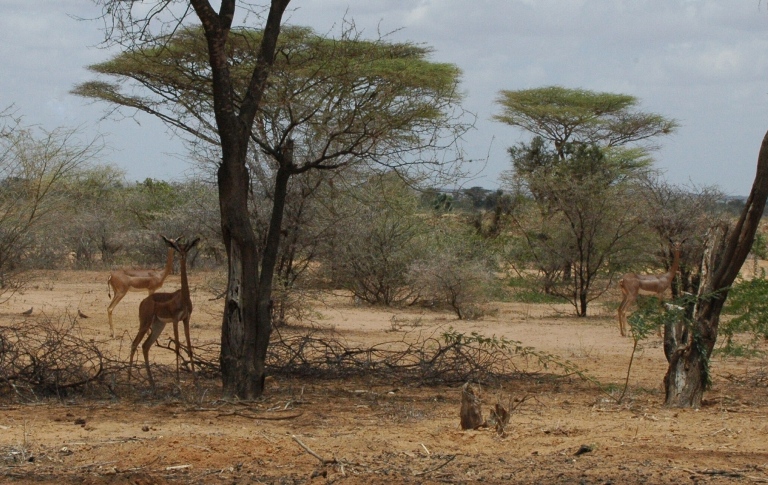
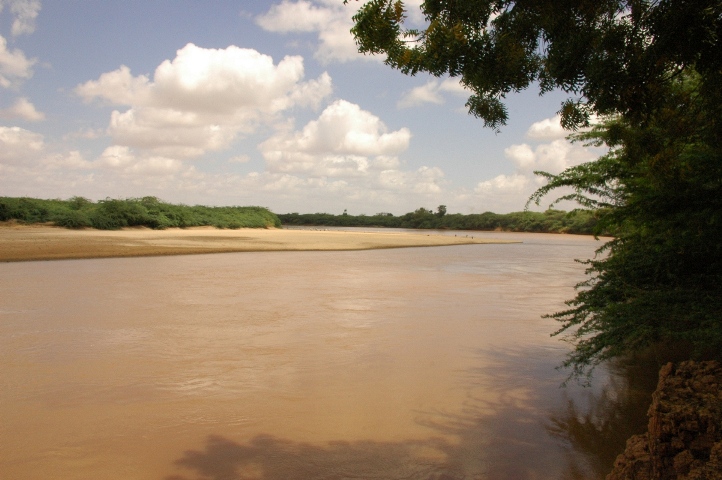
More Jaw-dropping Pictures of Garissa's Wilderness, Wildlife & Fauna [Kanyingi George}
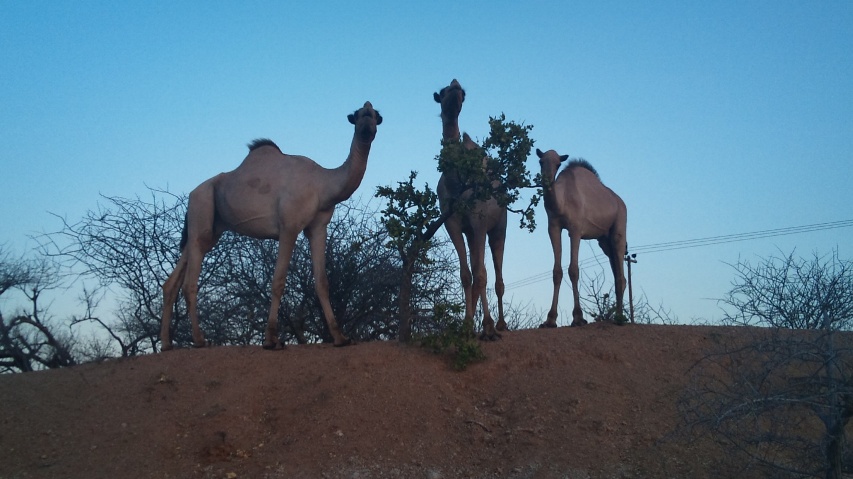
George Kanyingi continues to provide us with more amazing pictures of our breathtaking wilderness.


Wednesday, June 15, 2011
Are NEP's Youthful Leaders Engaging in Premature Triumphalism?
I pose this question because The Standard's Boniface Ongeri & Isaiah Lucheli wrote a piece titled "Youthful Leaders Have Grand Plans for NEP."
Given that elections are a little over a year away, Somalis in NEP must now decide what sort of counties they want to live in. We could go on with the status-quo and remain retrogressive in every economic and social indicator. Or, we could free ourselves from the shackles of clanism and actively set about creating the sort of society that other Kenyans envy and want emulate.
Great Societies are created by, among other things, the coming together of civic groups, educated youths, philanthropists and governments dedicated to working for their people. And for NEP, given all the decentralization the new constitution affords us, this is surely the moment. The chemistry is right.
What then is needed to get the chemistry going? We need educated leadership whose sole interest is driving up economic growth, reducing red tape and appropriating development funds where they will yield the best results while offering citizens the most convenience. Above all, we need leadership that will foster a sense of self confidence in Somalis and attract financial investment in our livestock industry and farmland along The Tana. We need leaders who will promote education over illiteracy, self-sufficiency over perpetual dependence, cohesion over disenfranchisement and most importantly leadership that takes advantage of our religious, cultural and lingual homogeneity instead of dividing us into clans and sub-clans.
What we don't need is another politician who talks big but thinks small and our leaders have been the worst offenders when it comes to this.The season of aggrandizing politicians and derelict citizenry should be over. Our current political leaders, with notable exceptions, are perhaps the least impressive in Kenya. They are pathologically incapable of seeing the big picture. Evermore relying on connections and bribery to maintain their seats while delivering nothing. They never preach self sufficiency or urge the Somali investor class to build their home province instead of putting billions into Eastleigh and never bring to the floor legislation of any significance.
In the past ten years, Garissa has come far but we are still unable to take pride in our achievements because many of us consider them an ascent from jaw-dropping badness to mere mediocrity. This is why, I am pro-youthful leadership and an end to our decadent political system.However, for all the talk of "youthful" leadership, I have to say, besides Abdikadir Mohammed of Mandera, I'm yet to be impressed by any the so called youths. Garissa's mayor has been a big turn off for a lot people and has seriously undermined the youth agenda. His self-confidence has tipped into insouciance and neglect of duty. While he is not evil intentioned, most of his administration has been plagued by incompetence. Even failing in things as mundane as garbage collection.
The Standard quotes Khalif Abdi who gave an accurate diagnosis of why enthusiasm for youthful leadership is waning.
In conclusion, even though this is a boon time for youthful leaders, I would urge those seeking positions of power to not succumb to premature triumphalism. Pay attention to detail, convince us you are the right people for elected office, articulate your views without pandering to clan overlords, come up with manifestos that will get us drooling and go above and beyond in courting the votes of elders and youths alike. Finally, make sure you are educated and have an impeccable record as far as personal integrity is concerned. Trust me, nobody wants to unleash a bunch of half baked, khat addled youngsters on the public. If it means seeking non-glamorous positions such as becoming a councilor to gain legislative experience, do so. You'll be all the better for it!
That's my two cents worth!
Given that elections are a little over a year away, Somalis in NEP must now decide what sort of counties they want to live in. We could go on with the status-quo and remain retrogressive in every economic and social indicator. Or, we could free ourselves from the shackles of clanism and actively set about creating the sort of society that other Kenyans envy and want emulate.
Great Societies are created by, among other things, the coming together of civic groups, educated youths, philanthropists and governments dedicated to working for their people. And for NEP, given all the decentralization the new constitution affords us, this is surely the moment. The chemistry is right.
What then is needed to get the chemistry going? We need educated leadership whose sole interest is driving up economic growth, reducing red tape and appropriating development funds where they will yield the best results while offering citizens the most convenience. Above all, we need leadership that will foster a sense of self confidence in Somalis and attract financial investment in our livestock industry and farmland along The Tana. We need leaders who will promote education over illiteracy, self-sufficiency over perpetual dependence, cohesion over disenfranchisement and most importantly leadership that takes advantage of our religious, cultural and lingual homogeneity instead of dividing us into clans and sub-clans.
What we don't need is another politician who talks big but thinks small and our leaders have been the worst offenders when it comes to this.The season of aggrandizing politicians and derelict citizenry should be over. Our current political leaders, with notable exceptions, are perhaps the least impressive in Kenya. They are pathologically incapable of seeing the big picture. Evermore relying on connections and bribery to maintain their seats while delivering nothing. They never preach self sufficiency or urge the Somali investor class to build their home province instead of putting billions into Eastleigh and never bring to the floor legislation of any significance.
In the past ten years, Garissa has come far but we are still unable to take pride in our achievements because many of us consider them an ascent from jaw-dropping badness to mere mediocrity. This is why, I am pro-youthful leadership and an end to our decadent political system.However, for all the talk of "youthful" leadership, I have to say, besides Abdikadir Mohammed of Mandera, I'm yet to be impressed by any the so called youths. Garissa's mayor has been a big turn off for a lot people and has seriously undermined the youth agenda. His self-confidence has tipped into insouciance and neglect of duty. While he is not evil intentioned, most of his administration has been plagued by incompetence. Even failing in things as mundane as garbage collection.
The Standard quotes Khalif Abdi who gave an accurate diagnosis of why enthusiasm for youthful leadership is waning.
Some residents say certain youth elected into leadership roles have failed to meet expectations."They had the opportunity to prove to the skeptics that they were up to the challenge but some have been a big disappointment and embarrassment to the youth fraternity," Khalif Abdi Farah, the coordinator of Northern Forum for Democracy said.Khalif explains the difference between the old guard and the youth was that the elderly leaders were easily accessible and selfless, but the youth were selfish and poor managers."Some of the youthful leaders are already under probe for misuse of funds while others have accumulated questionable wealth and are living beyond their paltry pay," Khalif added
In conclusion, even though this is a boon time for youthful leaders, I would urge those seeking positions of power to not succumb to premature triumphalism. Pay attention to detail, convince us you are the right people for elected office, articulate your views without pandering to clan overlords, come up with manifestos that will get us drooling and go above and beyond in courting the votes of elders and youths alike. Finally, make sure you are educated and have an impeccable record as far as personal integrity is concerned. Trust me, nobody wants to unleash a bunch of half baked, khat addled youngsters on the public. If it means seeking non-glamorous positions such as becoming a councilor to gain legislative experience, do so. You'll be all the better for it!
That's my two cents worth!
Monday, June 13, 2011
Garissa, Meet Ahmed Nadhir Omar!
I don't care much for the numerous pin-heads throwing their hats into the Senatorial and Gubernatorial races coming up in Garissa. Many of them strike me as vintage politicos, by which I mean they resemble the kind of candidates fronted by 'macawis' clad old men whose loyalties are readily available to the highest bidder.
Its no secret our current political discourse is pervaded by insufficiently intelligent old men committed to the traditional clanism paradigm. These men offer nothing but run-of-the-mill destructive politics and policy.
So as is clear to everyone but the alligator residents of the Tana River , our county needs change and a clear break with its personality (and clan) based politics. Conventional candidates in unconventional times is not what we need.
This is where young and previously untested candidates come in. Ahmed Nadhir Omar is a Gubernatorial candidate with impressive credentials. Listen to a speech he gave to a gathering of Garissians and make up your own mind about him. The videography is lame and the delivery was less than stellar but such are the pressures on those unfamiliar with public speaking.
The speech comes across as a brass-eared political consultant's idea of what the disengaged voters of Garissa want to hear. Despite its generic and diagnostic nature, I was (mildly) impressed.
Note: I understand any mention of a particular candidate on this blog might be misconstrued as an endorsement or even a plug, so let me go out on a limp and categorically state that in this case it's not. Until we know more about this candidate and his plans for action, I will hold my cards close to my chest.
Its no secret our current political discourse is pervaded by insufficiently intelligent old men committed to the traditional clanism paradigm. These men offer nothing but run-of-the-mill destructive politics and policy.
So as is clear to everyone but the alligator residents of the Tana River , our county needs change and a clear break with its personality (and clan) based politics. Conventional candidates in unconventional times is not what we need.
This is where young and previously untested candidates come in. Ahmed Nadhir Omar is a Gubernatorial candidate with impressive credentials. Listen to a speech he gave to a gathering of Garissians and make up your own mind about him. The videography is lame and the delivery was less than stellar but such are the pressures on those unfamiliar with public speaking.
The speech comes across as a brass-eared political consultant's idea of what the disengaged voters of Garissa want to hear. Despite its generic and diagnostic nature, I was (mildly) impressed.
Note: I understand any mention of a particular candidate on this blog might be misconstrued as an endorsement or even a plug, so let me go out on a limp and categorically state that in this case it's not. Until we know more about this candidate and his plans for action, I will hold my cards close to my chest.
Thursday, June 9, 2011
Sh. 1 Billion Allocated for Irrigation Projects in NEP.
In his budget speech, Finance Minister Uhuru Kenyatta, unveiled a Sh. 1 billion plan aimed at alleviating extreme poverty and hunger in NEP by placing 5575 acres of land under irrigation. The minister projects the scheme will help an estimated 34 000 Nepians directly (and possibly hundreds of thousands indirectly.)
The Minister has also set a side Sh. 425 million for the purpose of setting up additional slaughter houses in Arid areas and a further Sh. 490 million for the establishment of a livestock fund.
The Minister has also set a side Sh. 425 million for the purpose of setting up additional slaughter houses in Arid areas and a further Sh. 490 million for the establishment of a livestock fund.
74.. Our fellow Kenyans who live in northern Kenya have continued to suffer from conflict,hunger and famine, especially due to drought. To start a journey of building resilience and instituting a permanent source of livelihood, I have allocated Ksh.1 billion to be shared equally to initiate: (i) a 1,500 acres of irrigation at Rahole in Garissa; (ii) 2,000 acres at Abasweni in Wajir; and (iii) 2,075 acres of irrigation at Daua clusters in Mandera. When completed, these projects will benefit a total of 34,000 people of North Eastern who live in those areas.
Sunday, June 5, 2011
Amazing shots of Beautiful Sunrise & Sunset in Garissa {Courtesy of George Kanyingi}
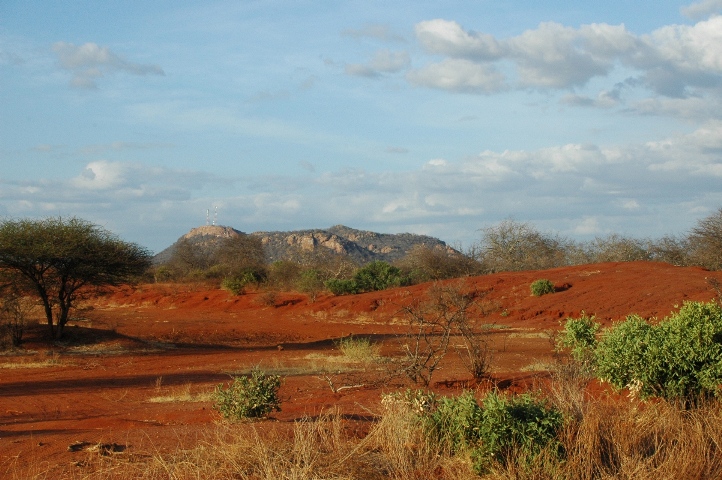
Here is a second round of amazing shots depicting the sunrise & sunset in our beautiful county taken by a professional photographer. Imagine yourself hanging out with a bunch friends, sipping tea and chatting- in this backdrop. Can't help but get inspired.
We really do have beautiful scenery. It just doesn't get utilized very well.

We really do have beautiful scenery. It just doesn't get utilized very well.
 |
| Imagine if there were boat rides for tourists on Tana River or Cabins for rent. |
 |
| Mathenge |
 |
| Sunset |

Saturday, May 7, 2011
Plans to build Tanneries in Wajir & Garissa unveiled


BUSINESS NEWS
Sh25m set aside for three tanneries


William Oeri | NATION Mr Simon Nganga of SIMJON Shoes Ltd displays a pure leather shoe made in Thika during the launch of the Leather Development Council Strategic Plan in Nairobi last April .
By KABURU MUGAMBI akaburu@ke.nationmedia.com
Posted Friday, May 6 2011 at 18:32
Posted Friday, May 6 2011 at 18:32
IN SUMMARY
- Factories will boost production capacity of leather and increase value addition
The Government will spend Sh25 million to build three community-managed mini-processing tanneries in Wajir, Garissa and Bungoma, which are expected to be complete by August 2011.
The project, which is fully-funded under the Economic Stimulus Programme, will increase the number of tanneries in the country to 16.
Besides the increased processing capacity, the new tanneries are expected to increase value addition of the leather.
“We will end up with 16 tanneries, which should help us process all hides and skins and increase on value addition,” said Mr Mwinyikione Mwinyihija, the chief executive officer of Leather Development Council.
“With a demand of 34 million pairs of shoes annually, we can help this country industrialise.”
He added that the council, established by the government and private sector to drive the leather sector, had facilitated the formation of Kenya Footwear Manufacturers Association, which will play a key role in buying leather products.
Ms Nalina Rupani, managing director of leather shop Adelphi, said there has been no voice for the leather industry before the recent formation of Leather Development Council, while the absence of an institutional framework that would focus on tapping the huge potential in the leather industry had contributed to the low value addition.
The sector has gradually declined in performance throughout the production chain, starting with raw materials, leather processing, footwear and leather products and marketing.
Before the marketing liberalisation in 1990s, the country had 19 established tanneries with a capital investment worth Sh3.8 billion, employing 4,000 people.
Livestock Development permanent secretary, Kenneth Lusaka, said the government is addressing hindrances and competition, which have made Kenya unable to fully exploit hides and skins as a locally available resource.
This includes initiatives such as imposition of tax on exportation of raw hides and skins from 20 per cent to 40 per cent in 2006 and exemption of importation of tax on selected chemicals and machinery used in the tanning industry.
Wednesday, March 2, 2011
Fibre Optic Cable in Garissa & Racist Michael Joseph
Another reason why any self respecting Garissian should immediately cease their association with Safaricom has emerged through recently leaked secret cables published by wikileaks. Apparently, Michael "I-know-everything-kenyans-want" Joseph has told American officials that providing high speed internet to Garissa was a waste of resources. He further added that indeed it was places like Nyeri that needed such services instead of "sparsely populated" NEP.
I'm very glad that this raving lunatic has departed Safaricom after several years of fleecing Kenyans through over-priced and poor quality services. His borderline racist crap should be called out for what it is by our MPs and every self respecting Kenyan. After years of isolation and neglect we cannot have the guy who is running the tourism department in Kenya advocating for cutting off Garissa from the world wide web.
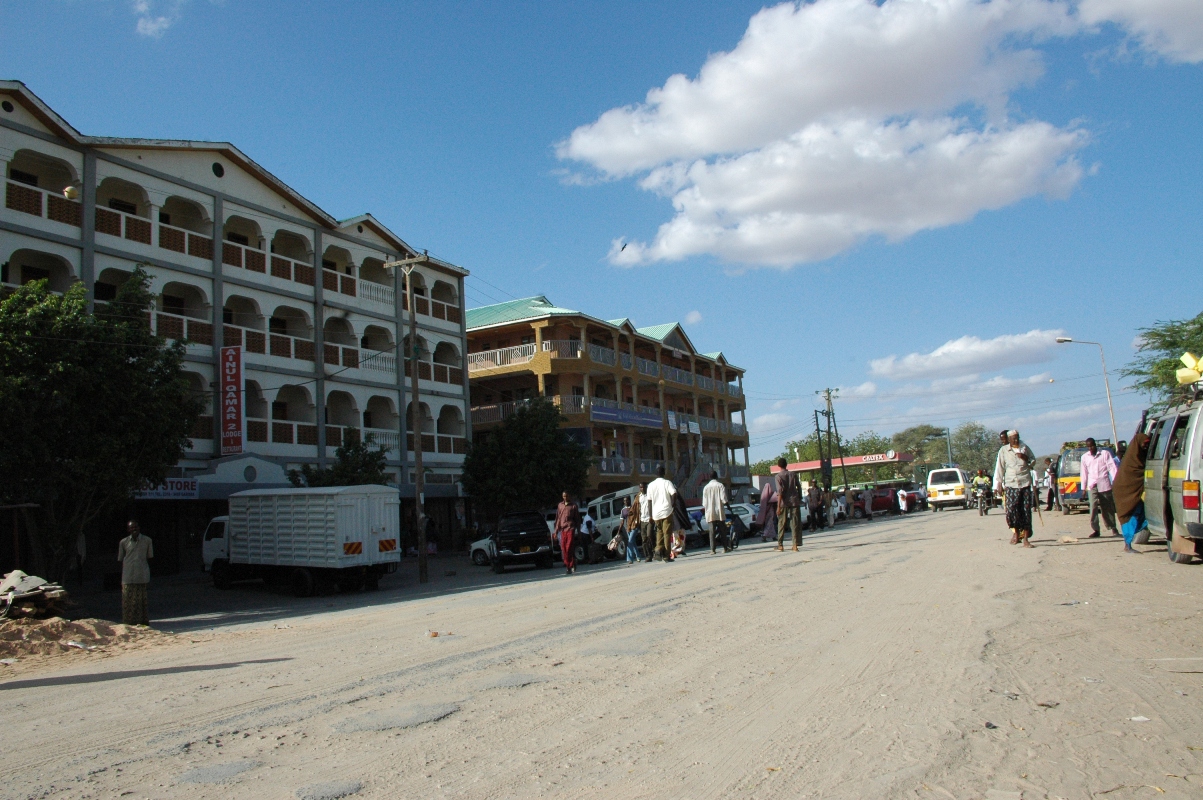
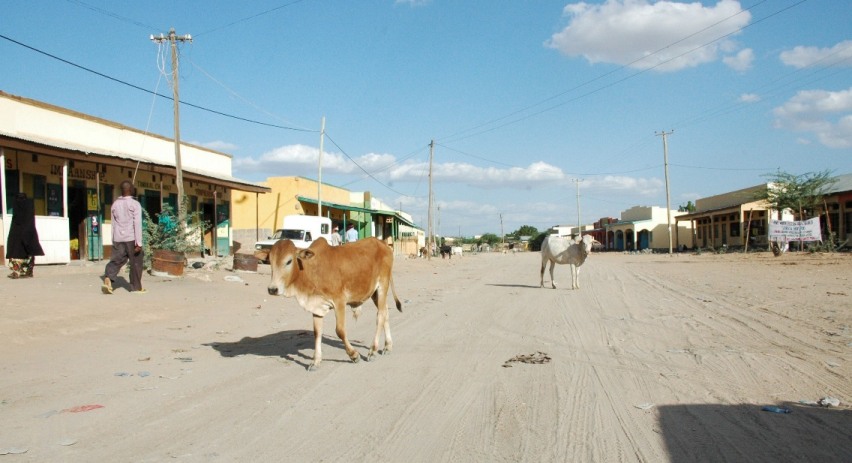
Quite clearly this megalomaniac has never been to Garissa and doesn't understand the leaps this city has made in the last decade. Before he spews such demonstrable lies maybe he should pay this great city a visit and see what it means the greatest self-made city in East and Central Africa.
To you Garissians, if you are half as livid as I am, give this moron a call and tell him how pissed you are. Currently, he is the chairman of Kenya Tourism Board.
I'm very glad that this raving lunatic has departed Safaricom after several years of fleecing Kenyans through over-priced and poor quality services. His borderline racist crap should be called out for what it is by our MPs and every self respecting Kenyan. After years of isolation and neglect we cannot have the guy who is running the tourism department in Kenya advocating for cutting off Garissa from the world wide web.
Quite clearly this megalomaniac has never been to Garissa and doesn't understand the leaps this city has made in the last decade. Before he spews such demonstrable lies maybe he should pay this great city a visit and see what it means the greatest self-made city in East and Central Africa.
To you Garissians, if you are half as livid as I am, give this moron a call and tell him how pissed you are. Currently, he is the chairman of Kenya Tourism Board.
| |||

Wednesday, November 10, 2010

Subscribe to:
Posts (Atom)